ERIC THOMAS bridle posts: pro quality for precise communication
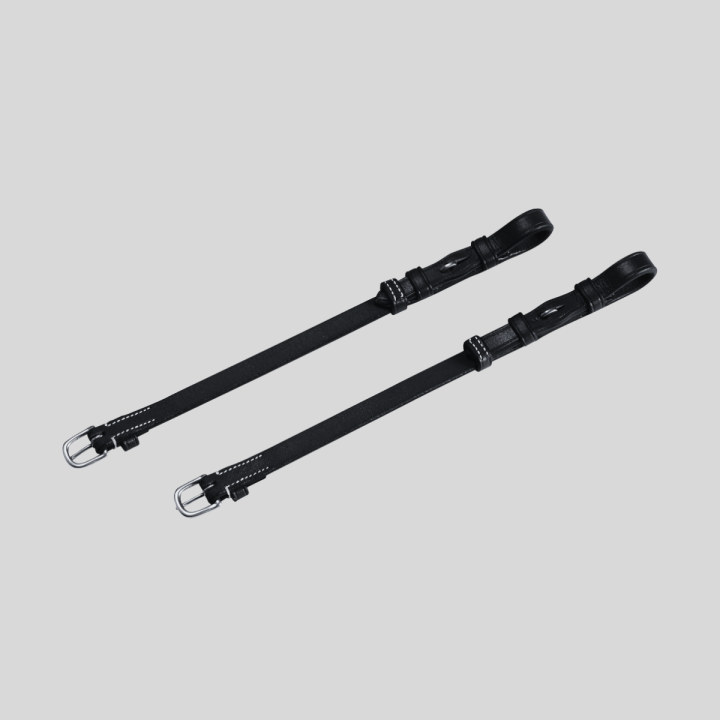
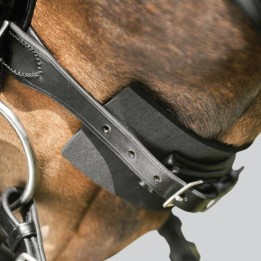
These ERIC THOMAS Pro bridle stays transmit the rider's requests directly to the horse. For your horse, this changes the precision of the contact: you gain a clean, reliable connection, without unnecessary wavering. The 12 mm width distributes the contact with balance: fine enough to maintain finesse, without becoming hard in the hand.
ERIC THOMAS bridle features and materials
Bridle uprights with stainless steel hook fasteners. In practice, in the saddle, this system saves fitting time and keeps the binding clean and stable, even if you often change bits. Width: 12 mm, for clean lines and precise contact.
Bridle composition: leather and buckles
- Cowhide: a supple, durable leather that takes its place without deforming. The most important thing to look for is its durability: it remains pleasant to handle while maintaining a good structure.
- Stainless steel buckles: hooks resist moisture and repeated use. In practical terms, this means you can avoid the oxidation that can mark parts and interfere with adjustment.
Color availability
Shades: tan and black. Preferred if your horse wears a classic working or show bridle: these colors are easy to match and keep a sober appearance.
Leather bridle care: practical advice
- Initial care: oil new leathers with an ox foot oil. This will soften the fibers from the outset and limit leather pulling or marking on first use.
- Regular cleaning: clean with glycerine soap after each session. This removes sweat and dust before they dry out the leather.
- Nourish leather: apply a balm or grease every 2 to 3 months. The leather retains its suppleness and is more resistant to small cracks caused by repeated flexing.